
"28 Years Later, I Can Tell You: It's Worth It" — Clare’s Story
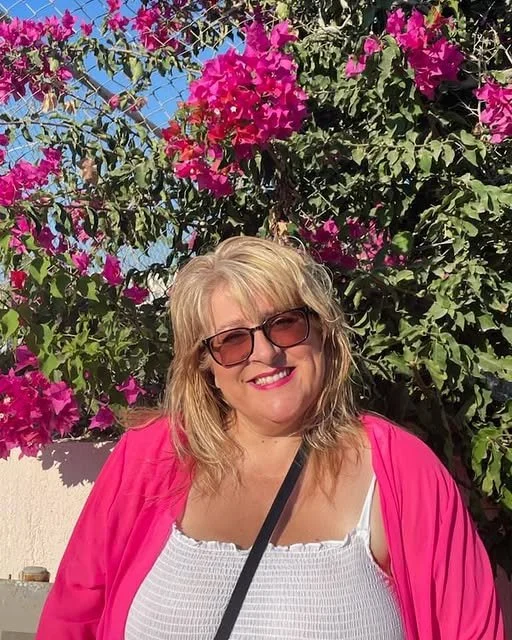
“That frightened 28 year old woman couldn't imagine 28 days, never mind 28 years”
★ Clare, CEO & Co-Founder
From the outside, my life probably looked pretty good. I was working as a promotions model, helping my husband Kevin with his PR and public appearances. We went to lovely restaurants, parties and celebrity events. I thought I was just someone who worked hard and played hard.
But alcohol and drugs were woven into absolutely everything I did. And the greatest hiding place for my addiction was my husband's addiction.
Kevin's drinking was much more obvious than mine. He was drinking secretly, hiding vodka bottles, coming home drunk and eventually becoming desperately unwell. So I could look at him and think, he's the one with the problem.
Meanwhile, I'd be pouring his vodka down the toilet with one hand and pouring myself a glass of wine with the other, because I needed it to "cope" with his drinking. Marijuana calmed me down and cocaine was "only at weekends," although my weekends had somehow started on a Thursday and finished on a Tuesday.
Deep down, I knew my relationship with alcohol and drugs wasn't normal. I just had a very convincing explanation for all of it.
My birthday
One of the biggest moments of clarity, one I still wasn't ready to accept, came around my 28th birthday. Kevin had just completed a detox, and I thought it would be a marvellous idea to celebrate my birthday by taking my newly detoxed alcoholic husband around bars and all the hot spots, while I drank and drugged the night away.
For the first time in our relationship, Kevin was completely sober, and saw what I was like drunk.
I drank heavily and went into a blackout. I became convinced Kevin was secretly drinking. On the way home I was screaming at him, hitting out, trying to get control of the car and demanding he take me back to the detox clinic he'd been in, to be breathalysed.
He did. He was completely sober.
I remember none of it.
The next morning, I woke up feeling like I'd been pooped out of a frog, and saw absolute terror on my husband's face.
That should have been my rock bottom. But addiction is extraordinary. Even then I could still convince myself that he was the problem.
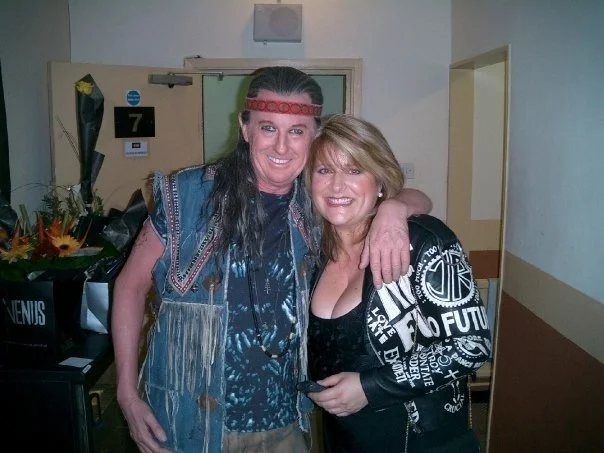
The question that wasn't about Kevin
My real moment of clarity came through Kevin's treatment. With the support of his bosses, we staged a workplace intervention. Kevin went into the Priory, and I went to see his counsellor, to talk about him.
Instead she asked me, "Tell me about your drinking and drug taking."
I couldn't believe it. I explained, perfectly reasonably or so I thought, that I'd polish off a bottle of wine when Kevin had passed out, smoke marijuana to manage the stress and anxiety, and use cocaine at weekends. Then I immediately went back to talking about Kevin.
She listened, and suggested that I come back for an assessment of my own addictive behaviour. I thought this woman is mad.
Then she said something incredibly simple. If I genuinely didn't have a problem, stopping should be easy.
In that moment, she saved my life.
Be someone's turning point
Clare's counsellor didn't lecture her or shame her. She just held a mirror up and let Clare see herself. That is exactly what Kennedy Street exists to do: be the person who's already been there, who can say "I know what this feels like, and there's a way out." Your support keeps that door open for the next person who isn't ready to hear it yet.
Off like a Polaris missile
My first step was actually trying to prove everyone wrong. I went to a 12 step family fellowship for families affected by someone else's alcoholism, because I was still convinced this was all about Kevin. But as I listened, I started looking honestly at my own life. Every friendship, relationship and social occasion seemed to have the same common thread: me, with a very large glass of wine in my hand.
I tried controlled drinking. That lasted about an hour. Once I got the taste, I was off like a Polaris missile. I discovered that controlled drinking, for me, was a bit like controlled drowning.
Eventually I went to a 12 step meeting for alcoholics, hoping they'd tell me I wasn't an alcoholic. Instead, I identified. Not necessarily with what people drank or how much they drank, but why they drank.
I cried my eyes out. I so desperately didn't want to be an alcoholic. I remember thinking, isn't being married to one enough?
They told me I didn't have to work out the rest of my life. Come back tomorrow, and don't drink between meetings. Twenty four hours. I thought, I can do that.
Stopping had never really been my problem. Staying stopped was.
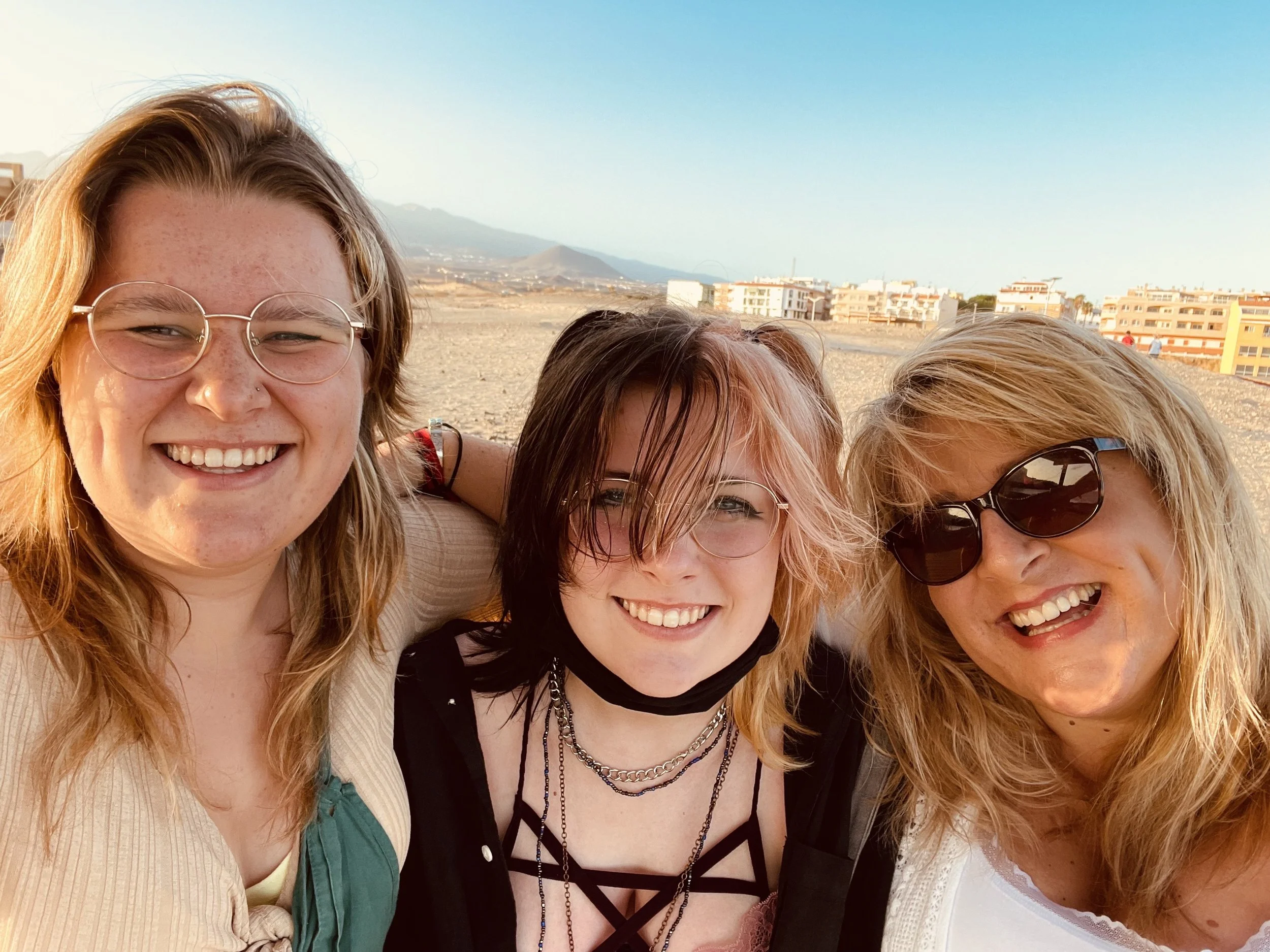
Learning to feel things sober
I was terrified. I'd never really lived life on life's terms. Alcohol and drugs had been my anaesthetic, my confidence, my celebration, my consolation and my coping mechanism. Suddenly I had to experience feelings without changing how I felt chemically.
There were paparazzi following me to meetings. Kevin was still in treatment. My family didn't really understand what was happening, and some of my friends desperately didn't want me to have a problem. But I kept going. Some days I went to two meetings.
Slowly, the fear began to subside. I started smiling again, except this time I could remember why I was smiling.
Nobody asked me to believe I could stay sober for 28 years. Thank God, because I'd have run a mile. They basically taught me to deal with what was in front of me. Twenty four hours. Go to meetings. Listen. Talk honestly. Don't pick up the first drink or drug. And keep coming back.
That therapist, Wyn Parry, changed the course of my life. At the time I thought she was completely wrong about me, but she saw what I couldn't yet see. Later I went back and thanked her, for her clarity, wisdom and kindness. She didn't shame me. She simply held a mirror up and allowed me to see myself. Wyn became a lifelong friend, my mentor, and a wonderful godmother to my children.
Needing help, becoming the helper
I wanted to create somewhere that gave people what had been given to me: hope through lived experience. Somewhere you could walk through the door and meet somebody who didn't just understand addiction academically, but could say, I've been there, I know what this feels like, and I also know there's a way out.
It's difficult to separate Kennedy Street from my own recovery, because it grew out of everything Kevin and I experienced. Some of the most painful parts of our lives have become useful to other people. That's incredibly powerful.
We talk a lot at Kennedy Street about moving from needing help to becoming the helper. I know that journey because I've lived it myself.
The moments that affect me most aren't necessarily the big events or achievements. It's somebody coming through the door unable to make eye contact, and then, months later, they're making the tea, welcoming somebody new, or training to support others. That's when I think: there it is. That's recovery.
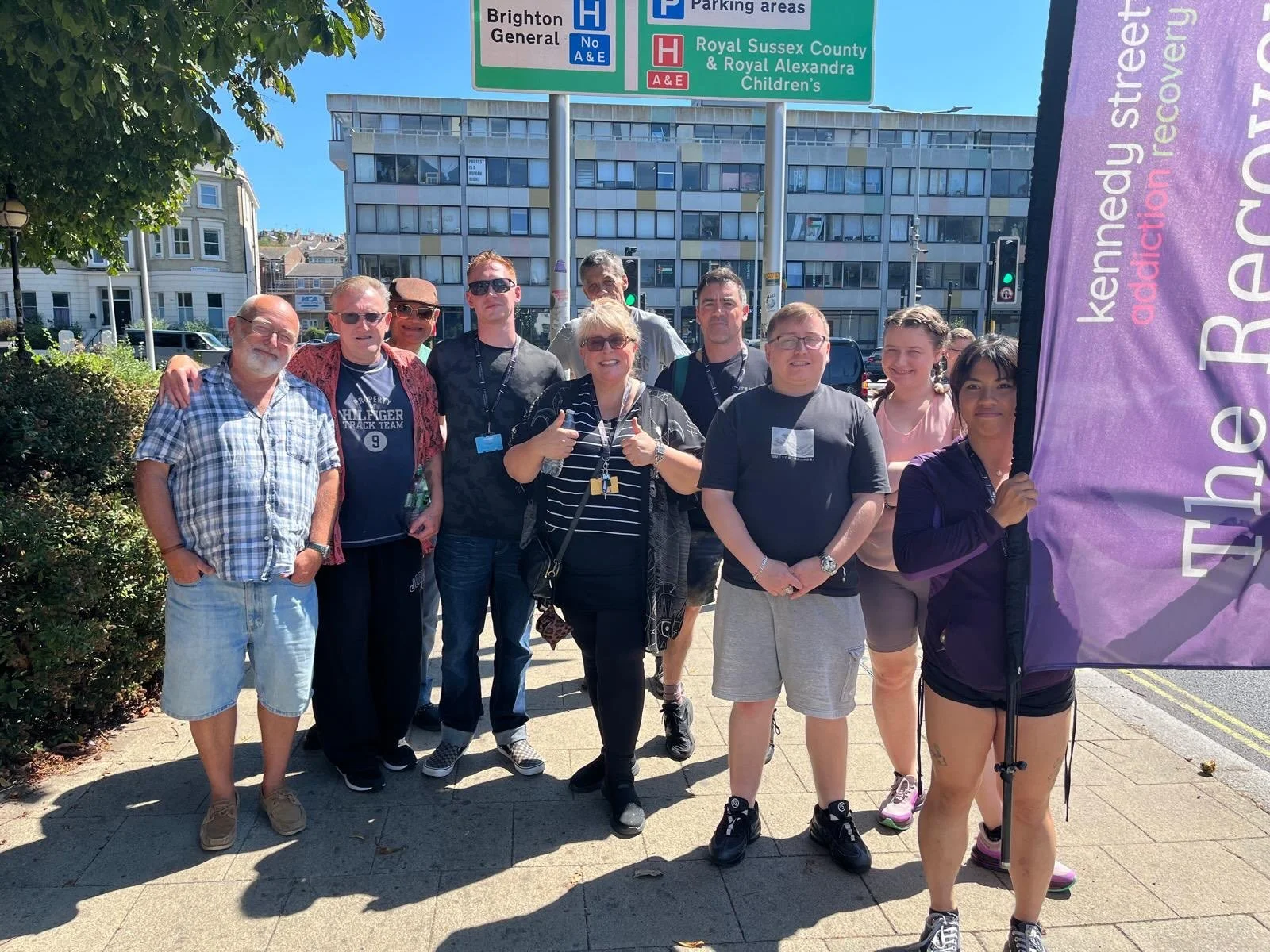
Fund someone's "there it is" moment
Every person who walks through Kennedy Street's doors frightened and out of hope needs somewhere to land, and people willing to fund the space, the staff and the support that makes it possible. Monthly giving is what lets us plan ahead instead of scraping by month to month.
What your monthly gift could help make possible
£10 a month — Help someone feel welcome on their first visit, with a cuppa, something to eat and a friendly face.
£25 a month — Help provide a hot meal every week for someone coming to our Recovery Hub.
£50 a month — Help someone access one-to-one recovery coaching whilst attending our free recovery workshops
£100 a month — Help keep our doors open, our lights on, a safe sober community where people can find connection, free peer support, life changing workshops and understand the various pathway into recovery
What I never expected
It still blows my mind. That frightened 28 year old woman couldn't imagine 28 days, never mind 28 years.
What feels most different today is freedom. I don't wake up wondering what I did the night before. I don't need a substance to make me confident, celebrate something, cope with something or anaesthetise myself. Life still happens. Difficult things still happen. Recovery hasn't given me immunity from being human. It's given me a way of living through those things without destroying myself.
What recovery gave me that I never expected was my family. Kevin and I effectively had to start our relationship again when he came out of treatment. We had to date again and learn who each other actually were, sober, while always prioritising our individual recovery. It hasn't always been plain sailing. We've had to put a heck of a lot of work into our marriage.
There have been times when I've gone into my children's rooms while they're sleeping, got down on my knees and thanked God that they have never had to see their mummy or daddy drunk. You couldn't have offered me anything more valuable than that when I first came into recovery.
If you don't believe it's possible for you
You don't have to believe in 28 years. You don't even have to believe wholeheartedly that recovery will work for you. Just be willing to take the next step.
I didn't come into recovery full of hope and wisdom. I came in frightened, resistant and desperately trying to prove I didn't belong there.
So if you can't imagine the life everyone is telling you is possible, that's okay. Find people who have recovered and borrow their hope. Let them walk beside you until you start believing it for yourself.
Because recovery is possible. I'm not saying it's always easy. It isn't.
But 28 years later, I can tell you this: it's worth it.
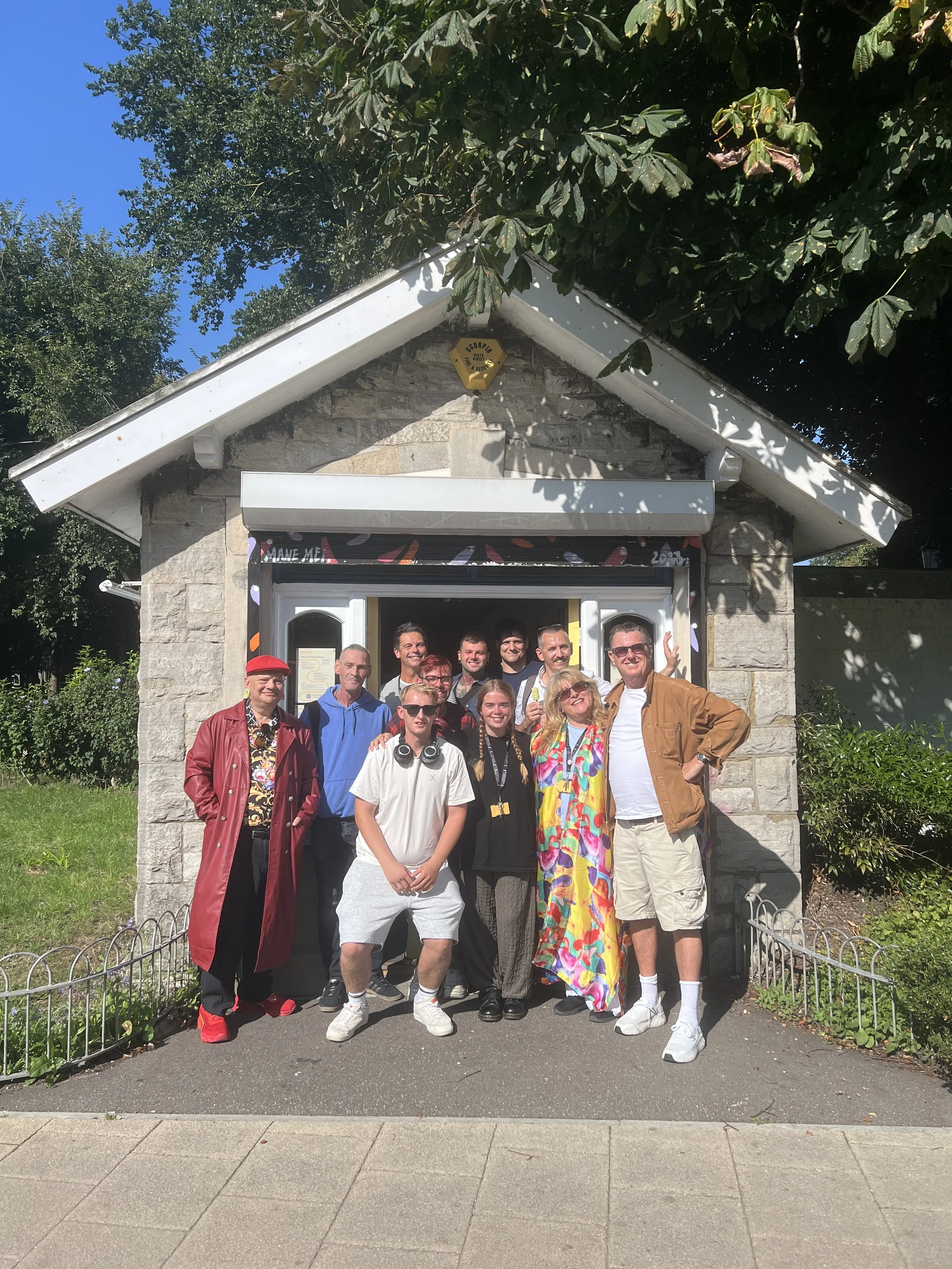
Help the next Clare find her way through the door
Recovery, Clare says, is the kind of gift you only get to keep by giving it away. Kennedy Street is hundreds of people who once needed help, now reaching back for the person behind them. None of it happens without people funding the space to make it possible.
